
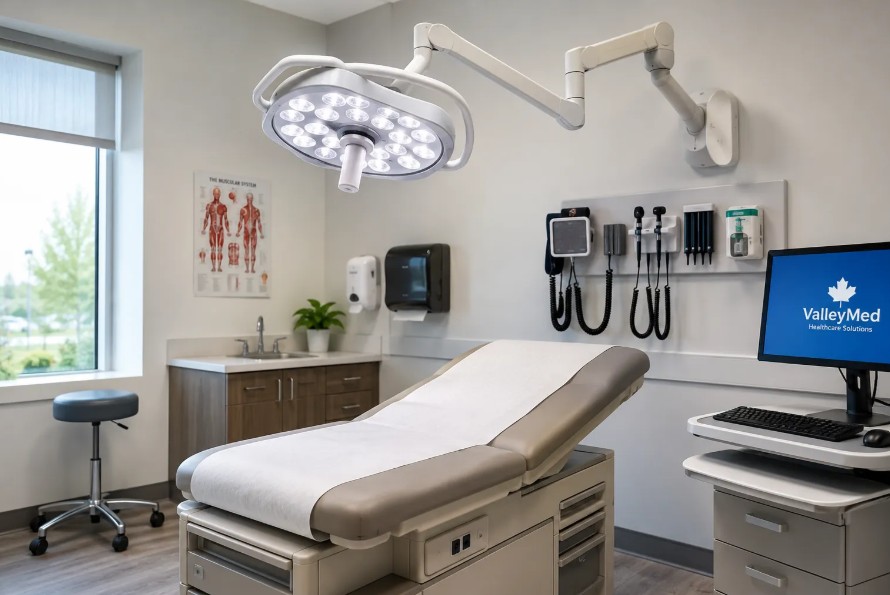
Healthcare facilities rely on well-designed clinical environments to support accurate assessments, efficient procedures, and positive patient experiences. While equipment selection often focuses on diagnostic tools and treatment technology, lighting also plays an important role in daily operations. In examination rooms, procedure areas, and outpatient clinics, the quality of medical exam lighting can directly affect visibility, workflow consistency, and patient comfort.
As healthcare environments continue to modernize, examination lighting is increasingly viewed as part of a broader operational strategy rather than a simple facility requirement. Clinics and healthcare administrators are placing greater attention on how lighting supports both staff performance and patient care outcomes.
Visibility and Accuracy During Patient Assessments
Clinical visibility is essential during examinations and minor procedures. Poor lighting conditions can make it more difficult for clinicians to identify skin changes, evaluate injuries, perform assessments, or complete detailed tasks accurately. Shadows, inconsistent brightness, and incorrect color rendering may also contribute to eye strain during long shifts or repeated examinations throughout the day.
Modern exam lights are designed to provide focused illumination while minimizing glare and uneven light distribution. Adjustable LED systems allow healthcare professionals to direct light precisely where it is needed without disrupting workflow or patient positioning. This level of control can support greater consistency during examinations, especially in busy outpatient environments where rooms are used continuously throughout the day.
Color temperature and brightness control are also important considerations. Examination lighting that closely reflects natural color tones can improve visual accuracy during assessments. In specialties such as dermatology, wound care, and primary care, clear visibility can help clinicians evaluate conditions more effectively while reducing the need for repositioning or repeated assessments.
Supporting Workflow Efficiency Across Clinical Spaces
Healthcare workflow depends heavily on room functionality and operational consistency. Lighting systems that are difficult to adjust, produce excessive heat, or require frequent maintenance can interrupt clinical routines and slow down staff efficiency.
Many healthcare facilities now evaluate examination and procedure lighting systems as part of broader room optimization efforts. Adjustable positioning, energy efficiency, and consistent illumination are often prioritized when updating examination and procedure spaces. Suppliers that specialize in healthcare lighting solutions can support facilities in selecting systems that align with operational requirements and room configurations.
LED-based procedure lighting has become increasingly common because it offers longer service life and lower maintenance demands compared to older lighting technologies. Reduced downtime for bulb replacement or equipment servicing can help clinics maintain smoother scheduling and room availability. In high-volume environments, even small operational improvements may contribute to better patient flow and reduced delays.
Lighting flexibility is another important factor. Examination rooms may be used for multiple purposes throughout the day, ranging from consultations and assessments to minor procedures. Adjustable lighting supports this versatility by allowing clinicians to adapt room conditions quickly without requiring additional equipment changes.
Patient Comfort and the Clinical Experience
Patient comfort is an important component of care delivery, particularly in outpatient and community healthcare settings where patient satisfaction and trust influence long-term engagement. Lighting conditions can shape how patients perceive cleanliness, professionalism, and overall comfort within a healthcare environment.
Harsh or overly bright lighting may increase discomfort or anxiety during examinations. Conversely, dim or poorly positioned lighting can create uncertainty and reduce confidence in the clinical environment. Balanced examination lighting helps create spaces that feel functional while still supporting a calm and professional atmosphere.
Modern clinic lighting systems often include adjustable intensity settings that allow clinicians to modify brightness levels depending on the procedure or patient needs. This can be especially beneficial in pediatric care, women’s health clinics, and facilities serving older adults, where patient sensitivity to lighting conditions may vary.
Reduced heat output from LED lighting can also improve patient comfort during longer examinations or procedures. Traditional lighting systems may generate noticeable warmth, particularly in smaller rooms. Cooler operating temperatures support a more comfortable environment for both patients and clinical staff.
Operational Consistency and Facility Planning
Healthcare facility managers must balance patient care priorities with long-term operational planning. Lighting systems that support durability, efficiency, and adaptability can contribute to more consistent facility performance over time.
Procedure room lighting is often evaluated alongside infection control considerations, energy management goals, and equipment standardization strategies. Easy-to-clean lighting fixtures and sealed designs may support hygiene protocols in examination and treatment spaces. Consistent lighting standards across multiple rooms can also help reduce adjustment time for clinicians working between locations or departments.
Energy efficiency remains another important consideration for clinics and healthcare facilities managing operational costs. LED examination lighting generally consumes less energy while maintaining stable brightness levels over extended periods. Over time, this may help facilities reduce maintenance expenses and support sustainability initiatives without compromising clinical performance.
As healthcare organizations continue upgrading clinical environments, lighting is increasingly recognized as a practical investment in both workflow reliability and patient-centered care.
Adapting Examination Lighting to Modern Healthcare Needs
Healthcare delivery continues to evolve as clinics expand services, increase patient volumes, and modernize facilities. Examination lighting now plays a broader role in supporting adaptable healthcare environments that prioritize efficiency and consistency.
Medical exam lighting systems that provide adjustability, durability, and reliable illumination can help healthcare teams maintain smoother workflows while supporting accurate patient assessments. At the same time, thoughtful lighting design contributes to a more comfortable and reassuring patient experience.
For healthcare administrators and facility managers, evaluating lighting systems as part of operational planning may offer long-term benefits that extend beyond simple room illumination. Examination lighting supports the day-to-day conditions that influence clinical performance, patient interaction, and overall healthcare delivery quality.